Artificial Turf Drainage in Tucson: How to Prevent Puddles During Monsoon Season
Artificial Turf Drainage in Tucson: How to Prevent Puddles During Monsoon Season
Tucson summers are famous for dramatic monsoon downpours. If your yard has ever turned into a mini-lake (or pushed water toward your patio), drainage is not a “nice-to-have” – it is the whole game. The good news: artificial turf can drain extremely well when it is installed correctly. The key is what happens underneath the turf: base prep, grading, and smart drainage design.
In this guide, AZ Turf King breaks down how turf drainage works in Southern Arizona, how to avoid low spots and puddles, and what to look for in a drainage-first installation.
The Quick Answer
Artificial turf drains through perforations in the backing into a compacted, permeable base (often crushed aggregate or decomposed granite). When the base is built correctly and the yard is graded properly, water moves through the turf and away from structures – even during monsoon storms.
Why Turf Drainage Matters in Tucson
Monsoon rain is different from a gentle sprinkler cycle. It can arrive fast, hit hard, and expose every weakness in your yard’s slope and soil. If your landscape does not have a clear path for water to move, you will see pooling, erosion, muddy edges, and water pushing where it should not go.
A turf surface that looks perfect on day one can still fail later if the base is underbuilt, the slope is wrong, or water has nowhere to go. That is why AZ Turf King treats drainage as part of the design – not an afterthought.
How Artificial Turf Drains
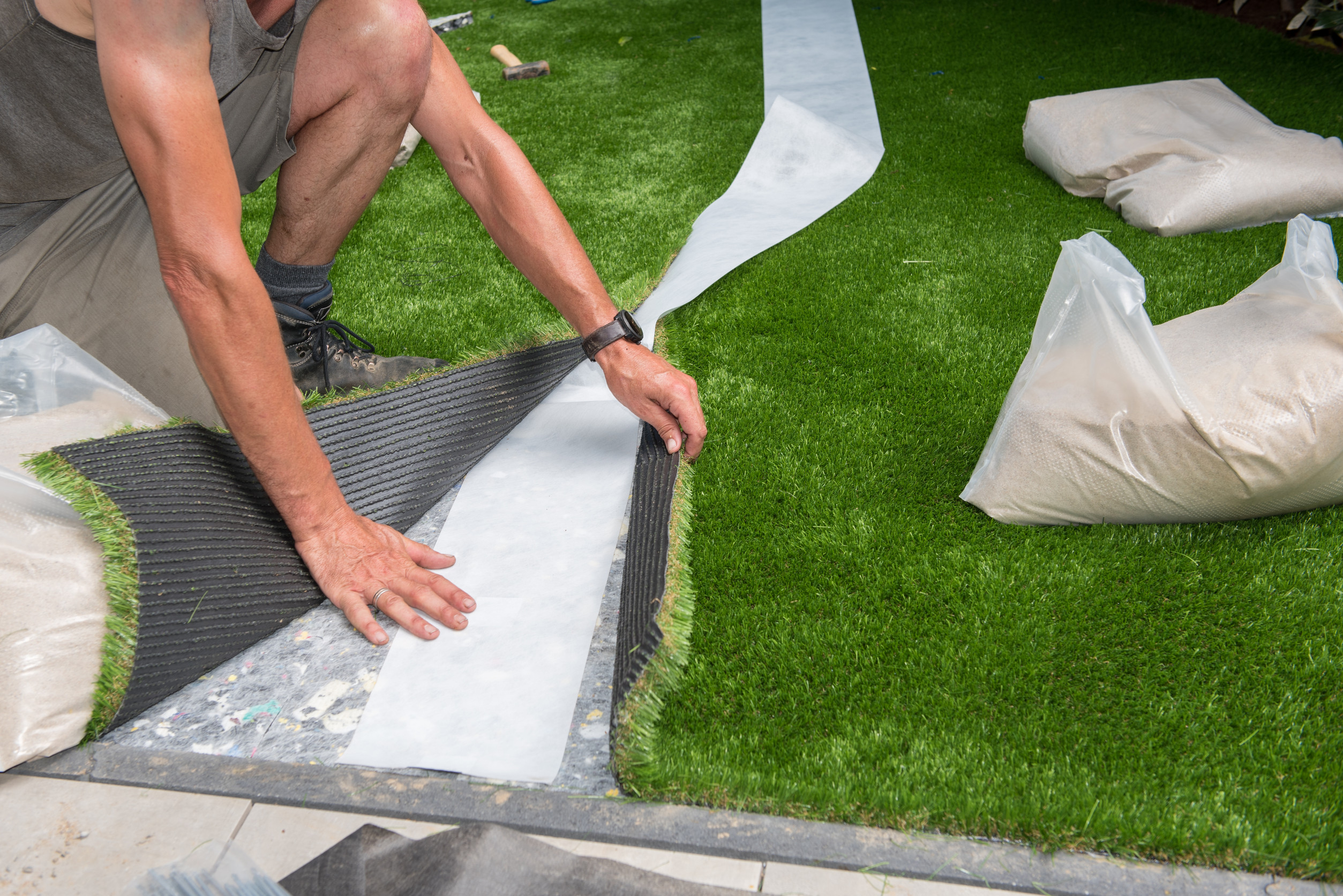
A turf system is more than the green fibers you see. It is a layered build that is designed to move water down and out:
- Turf backing: Water passes through the backing via drainage holes.
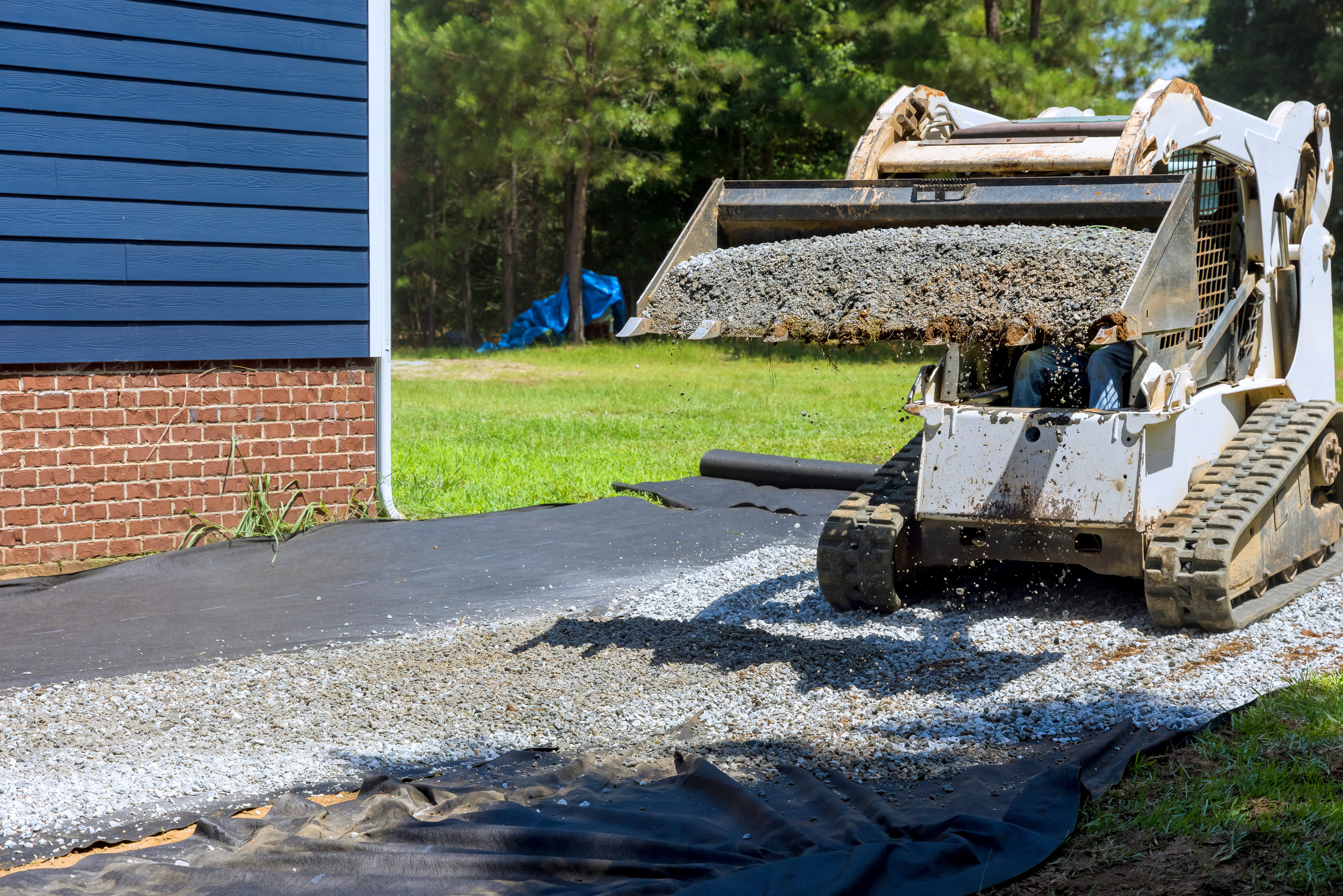
- Permeable base: A compacted aggregate layer supports the turf while allowing water to flow through.
- Correct grading: The base is shaped so water does not sit in low spots or push back toward your home.
- Edging and transitions: Borders are secured so water does not trap at edges or lift seams.
When these layers work together, turf can handle intense rainfall without turning into a sponge or a swamp.
Most Common Causes of Puddles on Turf
- Low spots from poor grading or uneven compaction
- A base that is too thin or not properly compacted
- Wrong material (too much fine material can slow drainage)
- Drainage blocked at edges or around hardscape
- Existing yard drainage problems that were not addressed before turf went in
AZ Turf King’s Drainage-First Installation Checklist
1) Evaluate the Yard Like Water Does
Before we install, we look for where water already wants to move. We check slopes, downspout discharge, patio edges, and any existing low areas. If water is already pooling on native soil, turf alone will not magically fix it – the base and drainage plan will.
2) Build a Stable, Permeable Base
For most Southern Arizona landscapes, the base is the performance layer. A compacted aggregate base supports the turf, keeps it smooth, and provides the drainage pathway under the surface.
3) Grade Away From Structures
We shape the base so water moves away from your home, walls, and hardscape. This reduces the chance of water sitting at the foundation line or pushing under patios during heavy rain.
4) Detail the Edges and Seams
Seams and edges are where budget installs often fail. Proper seam work, secure edging, and clean transitions help prevent lifting, channeling, and edge puddles that show up after storms.
5) Add Drainage Features When Needed
Some yards need more than a good base. If you have a known problem area, we may recommend a targeted solution such as a drain line, channel drain, or a designed rock wash zone that guides water safely off the turf area.
Smart Turf Drainage Design Ideas for Tucson Homes
- Rock wash borders: A clean-looking rock edge can act like a mini drainage zone during storms.
- Downspout routing: Redirect downspouts so roof runoff does not blast one turf corner.
- Hardscape transitions: Add a small grade break at pavers or patios so water does not trap at the seam.
- Water harvesting-friendly layouts: If you are redoing the yard, plan where stormwater will collect and soak in (instead of racing toward the street).
Pet Turf Drainage: Keeping It Clean, Not Smelly
If you have dogs, drainage matters even more. Fast flow-through helps you rinse quickly, reduces standing moisture, and makes routine cleanup easier during the hottest months. We can also help you plan a dedicated potty zone and recommend simple maintenance habits that keep pet turf comfortable and fresh.
Maintenance Tips That Keep Turf Draining Well
- Rinse dust and pet areas regularly (especially during hot months)
- Remove debris so it does not block the turf surface
- Brush high-traffic areas so the turf stands up and drains evenly
- Watch for edge buildup near planters or decomposed granite areas
HOA and Local Considerations in Tucson
Some neighborhoods and HOAs require a design review for visible landscape changes. If you live in an HOA community, plan on submitting turf samples, color options, and an install plan. AZ Turf King can help you prepare the details many boards ask for so approvals go smoother.
Quick FAQs
Q: Will artificial turf drain well during monsoon storms?
A: Yes, it can drain extremely well when installed correctly. The base and backing do the heavy lifting: water passes through the turf and into a properly built drainage base so your yard handles storms without puddles.
Q: How do you prevent puddles and low spots?
A: Puddles usually come from poor grading or an underbuilt base. We focus on correct slope, compaction, and drainage design so the surface performs during real storms.
Q: Will weeds grow through artificial turf?
A: A properly prepared base and weed barrier greatly reduce weeds. You can still get occasional surface weeds from windblown seeds, especially around edges, but those are typically easy to remove.
Q: Does artificial turf get too hot in the summer?
A: Any surface in Arizona sun can heat up, including turf, pavers, and concrete. Turf selection, shade planning, and simple cooling habits like a quick rinse can make it more comfortable.
Q: Can pets use artificial turf safely?
A: Yes. Pet turf is popular in Arizona because it reduces mud, worn patches, and mess. The right turf and base support fast drainage and easy rinsing.
Q: Do I need a permit to install turf?
A: Many landscape swaps do not require a building permit, but requirements can vary based on grading changes, drainage work, retaining walls, or HOA rules. If you are unsure, AZ Turf King will help you identify what your specific project needs before work begins.
Ready for a Turf Yard That Handles Tucson Storms?
If you want turf that looks great in May and still performs during July monsoons, start with a drainage-first plan. AZ Turf King installs artificial turf, pet turf, putting greens, and pavers across Southern Arizona with transparent pricing and no hidden fees. Call AZ Turf King at 520-797-2400 to schedule your free, no-obligation estimate.
Share this article
Latest articles
Follow us
Contact Us
AZ Turf King
51 West Glenn Suite A
Tucson, AZ 85705
Call Us: 520-797-2400
Office Hours
6:30AM-5:30PM Monday-Friday
7:30AM-11:30AM Saturday
Warehouse does not receive mail.
AZ Turf King
405 E Wetmore Rd, #117-146,
Tucson, AZ 85705