Artificial Turf’s Environmental Impact – Pros, Cons, and Smart Solutions
Artificial Turf’s Environmental Impact – Pros, Cons, and Smart Solutions
Artificial turfs environmental impact is a complex topic. On one hand, turf can save enormous amounts of water, cut emissions, and reduce chemical use. On the other, it raises challenges like waste disposal, heat retention, and microplastic pollution. For Tucson homeowners, the key is understanding both sides and choosing high-quality products, sustainable infills, and professional installation to minimize the downsides.
The Pros of Artificial Turf
1. Water Conservation: A Clear Advantage
Artificial turf eliminates nearly all irrigation needs. Natural turf can require 600,000 to 1.5 million gallons of water per year for sports-sized fields, translating to tens of thousands of gallons at a residential scale. This is huge for drought-prone areas like Southern Arizona. Sources: AstroTurf, Western Resource Advocates
As an example, a typical household lawn of 1,800 square feet could save up to 99,000 gallons of water annually, or around 70% of a homeowner’s water use. Sources: ForeverLawn, GrassTex
2. Reduced Chemical Use and Carbon Emissions
With no mowing, fertilizing, or pesticide application needed, turf avoids emissions and pollution from lawn equipment and chemical runoff. Sources: Better Homes & Gardens, Synthetic Turf Council
The carbon footprint from ongoing maintenance is significantly lower than with natural grass, though manufacturing and installation impact need consideration.
3. Waste, Disposal, and Microplastic Pollution
A standard turf field (about 6,400 m²) can weigh 225 tons and has a lifespan of 10–12 years. Disposal generates substantial plastic waste. Sources: SpringerLink, ScienceDirect
Turf is a major source of microplastics. In Europe, artificial turf is the second largest source of land-based microplastic pollution. Sources: SpringerLink, Utah State University Extension
Crumb rubber infill, derived from recycled tires, releases particulate chemicals including PAHs and heavy metals, posing ecological risks. Source: Wikipedia
Most turf ends up in landfills; recycling remains limited due to cost and infrastructure challenges. Sources: The Washington Post, Wikipedia
4. Heat Retention and Surface Temperatures
Artificial turf absorbs significantly more solar radiation than natural grass, leading to surface heat in excess of 140°F, which can be dangerously hot. Sources: The Washington Post, University of Plymouth
This can make turf uncomfortable to walk on and stressful for pets and users, especially under the intense Tucson sun.
5. Environmental Health Risks
Some studies found PFAS and other ‘forever chemicals’ in turf components and infill, which may pose health risks. Sources: The Guardian, Wikipedia
Critics caution that PFAS levels can increase on the skin of athletes after turf use. Source: The Guardian
The evidence remains inconclusive, but caution is advised—especially for children and sensitive populations. Sources: The Washington Post, The Guardian
6. Advances in Sustainable Turf Technology
Manufacturers are increasingly using recycled/recyclable materials, and organic or vegetal infill alternatives like cork to reduce environmental burden. Source: Brock USA
Cooling technologies, such as lighter turf colors or heat-reducing infills, help mitigate surface temperatures. Sources: Better Homes & Gardens, University of Plymouth
Progress in recycling infrastructure exists—but only a small fraction of retired turf is currently being repurposed. Source: The Washington Post
7. AZ Turf King’s Eco-Conscious Approach
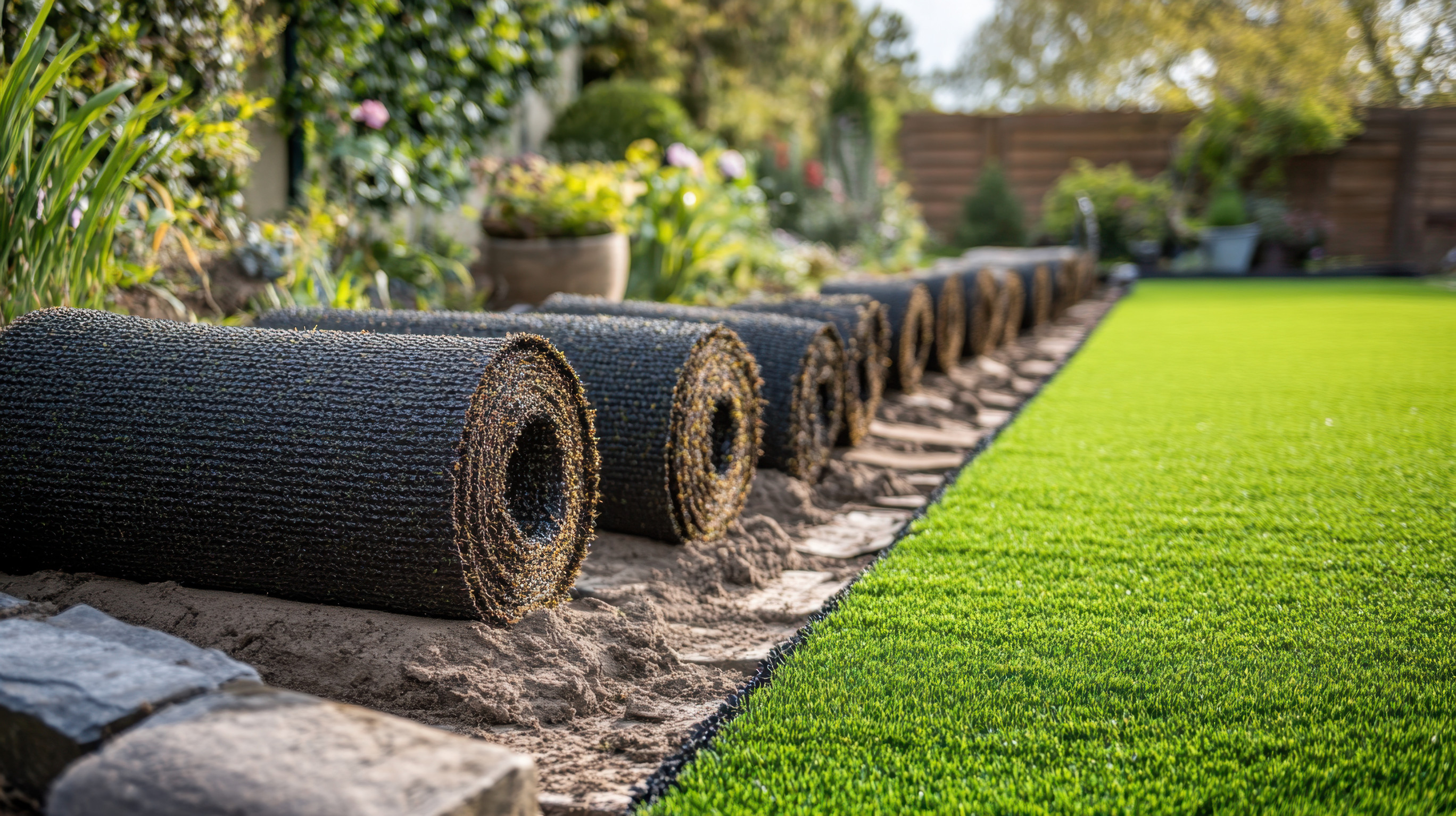
At AZ Turf King, we carefully select turf systems that balance aesthetics, performance, and environmental responsibility. We prioritize:
– High-durability products to extend lifespan
– Infills like silica or organic blends that minimize heat and health risk
– Options that support future recyclability
Our goal: A beautiful, functional yard that minimizes environmental impact while thriving in Southern Arizona conditions.
The Cons of Artificial Turf – and Solutions
Heat Retention
Con: Turf can become dangerously hot in summer.
Solution: Cooling infill, lighter turf shades, and professional installation that supports airflow.
Plastic Waste
Con: End-of-life turf generates landfill waste.
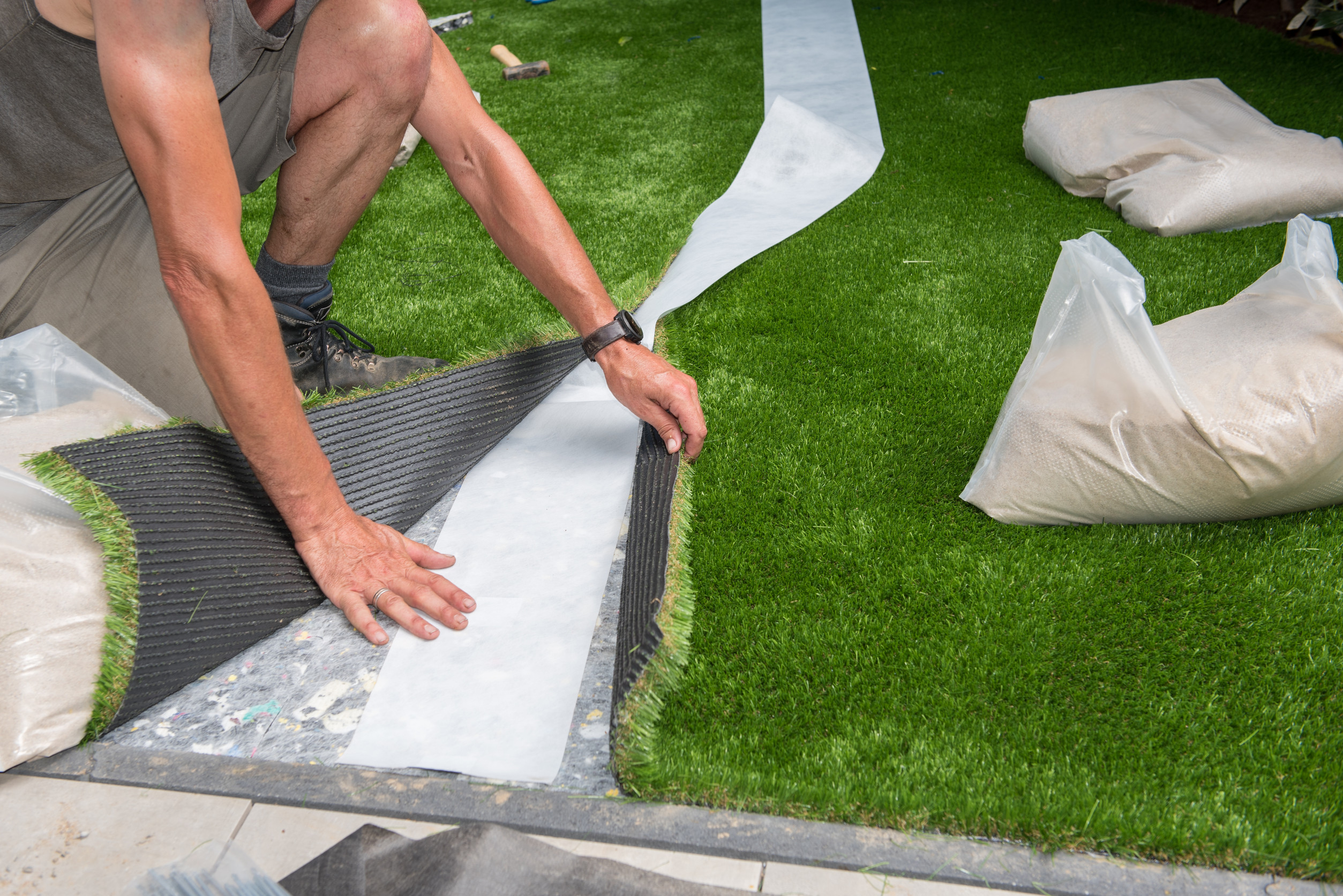
Solution: Choose recyclable turf and extend lifespan with expert installation.
Microplastics
Con: Fibers and infill contribute to pollution.
Solution: Use sustainable infills and edging systems that contain materials.
PFAS and Chemicals
Con: Some turf contains harmful compounds.
Solution: Insist on PFAS-free turf from reputable suppliers like AZ Turf King sources.
Soil and Biodiversity Loss
Con: Turf limits natural ecosystems beneath it.
Solution: Blend turf with natural garden zones to support pollinators and soil health.
Stormwater Runoff
Con: Turf doesn’t absorb water like grass.
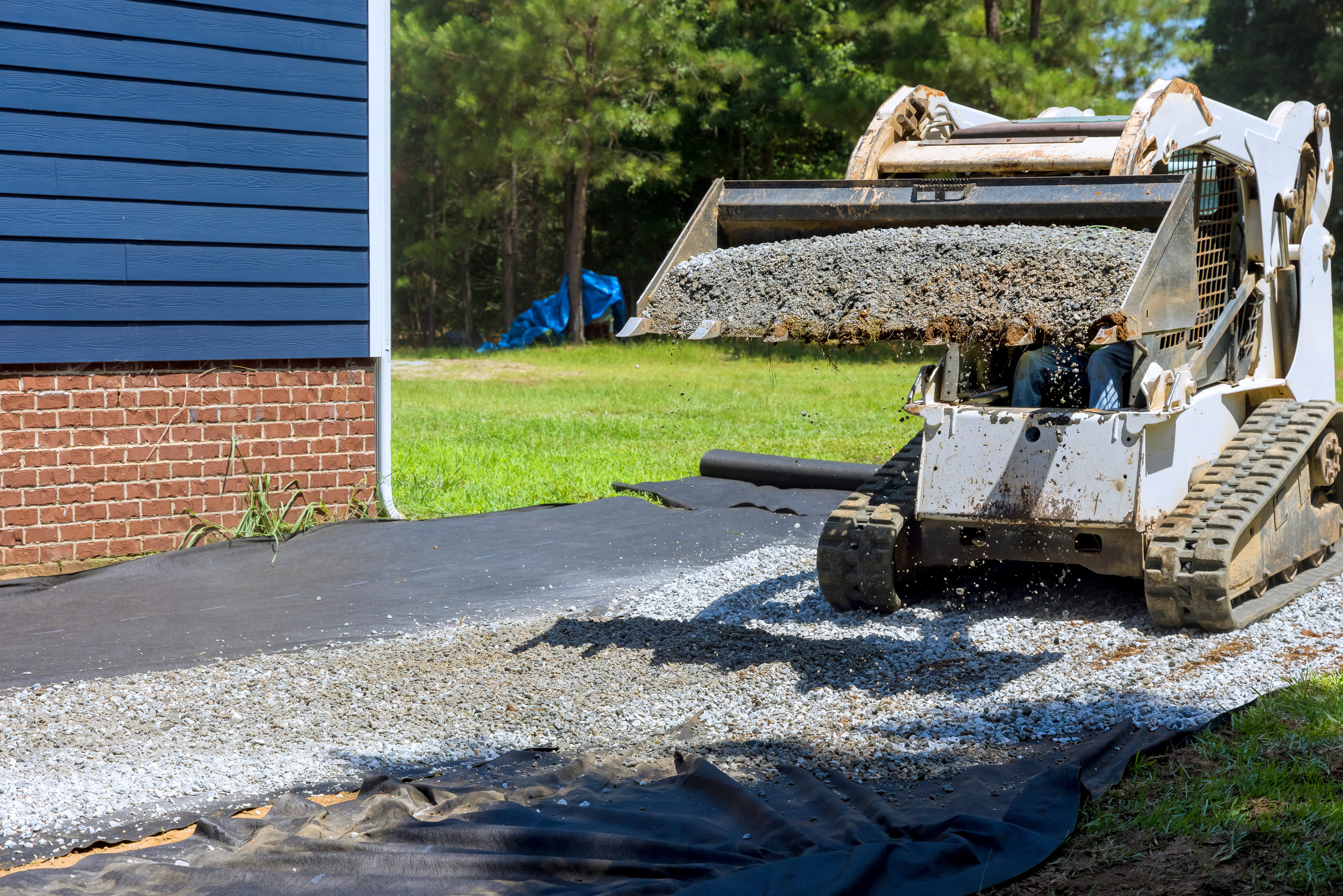
Solution: Install permeable bases with crushed rock or decomposed granite for drainage.
Call to Action
Curious about artificial turfs environmental impact and how to make eco-friendly choices? Call Rick at 520-797-2400 and let AZ Turf King design a turf system that maximizes benefits and minimizes drawbacks.
Share this article
Latest articles
Follow us
Contact Us
AZ Turf King
51 West Glenn Suite A
Tucson, AZ 85705
Call Us: 520-797-2400
Office Hours
6:30AM-5:30PM Monday-Friday
7:30AM-11:30AM Saturday
Warehouse does not receive mail.
AZ Turf King
405 E Wetmore Rd, #117-146,
Tucson, AZ 85705